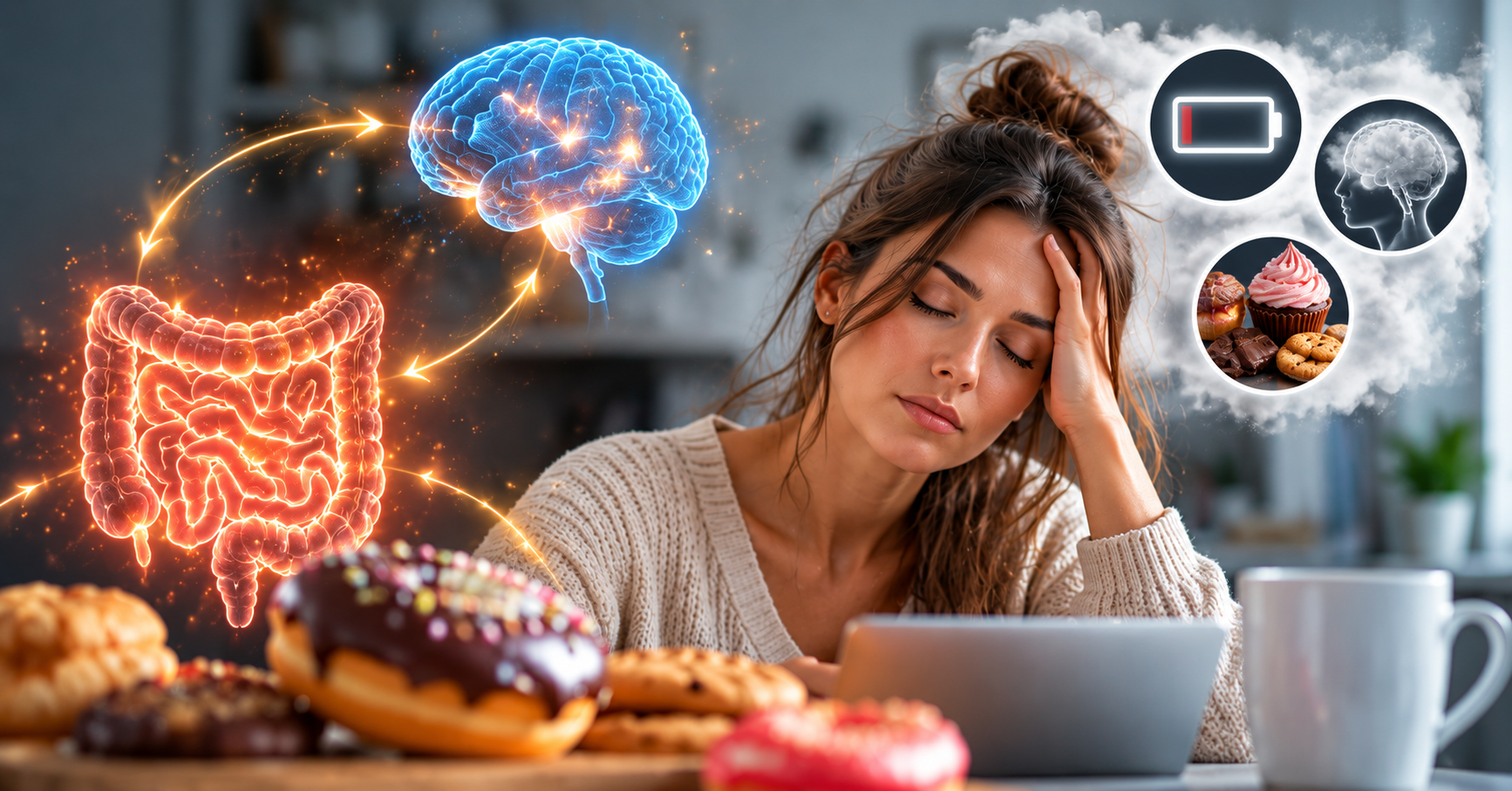

You know the feeling. You’re tired, but you can’t fully relax. Your mind is going even when your body wants to stop. You get through the day on momentum more than energy. Most people call this being stressed and leave it at that.
But your heart doesn’t just register stress as a feeling. It registers it as a physical event, over and over, every single day you’re running in that state.
The stress response was never meant to run all day
When stress hits, your body releases cortisol and adrenaline, hormones designed for short bursts of demand: outrun the threat, handle the crisis, then return to baseline. For most of human history, that’s exactly how it worked. Stress spiked, then it resolved.
Modern stress doesn’t resolve the same way. Work pressure, financial strain, constant notifications, and packed schedules keep that stress response simmering for hours or days at a time instead of minutes. Your body doesn’t have a separate setting for “low-grade stress that won’t end.” It just keeps running the same emergency hormones on a loop.
That loop has a direct line to your cardiovascular system. Elevated cortisol and adrenaline raise heart rate and constrict blood vessels. The same response that’s useful for outrunning danger becomes a steady, low-level strain when it never switches off. Blood pressure trends upward. The heart works harder, more often, without the recovery windows it’s built for.
Recognizing the pattern in your own life
This isn’t about diagnosing yourself with a heart condition from a blog post. It’s about recognizing a pattern that’s easy to dismiss as “just stress.”
If your resting heart rate feels elevated more often than it used to. If you notice your chest feeling tight during ordinary moments, not just intense ones. If you’re exhausted but can’t seem to fully unwind, even on a day off. These are worth paying attention to, both for your wellbeing in the moment and for what they might be telling you about how your body is handling sustained pressure.
The good news is that the body is built to recover, given the right support. The stress response is meant to be temporary. The cardiovascular strain it creates doesn’t have to be permanent.
A traditional approach to calming the response
Long before “stress management” was a phrase, herbal traditions were already addressing the link between an anxious, overworked mind and an overworked heart. Motherwort, whose Latin name Leonurus cardiaca literally references the heart, has a centuries-long history of traditional use for easing heart palpitations associated with stress and nervous tension.
Inositol, separately, has a well-established role in supporting a sense of calm during anxious or high-stress states, working through pathways connected to mood and nervous system signaling rather than directly on the heart muscle itself. Neither replaces medical care for cardiovascular symptoms, but both speak directly to the mind-heart connection that chronic stress creates, the same connection that explains why a stressful week can leave you feeling it in your chest, not just your head.
Supporting the System
Ultimate Heart Health was formulated with this connection in mind. Motherwort supports a traditional, calming approach to the cardiac strain that chronic stress creates. Inositol supports a sense of calm during periods of sustained mental and emotional pressure. Bilberry leaf and hawthorn support healthy circulation even when the body is under strain, and L-Carnitine supports the cellular energy your heart tissue needs to keep functioning well during demanding periods.
Together, the formula is designed to ease the cardiovascular load that chronic stress creates, supporting the heart’s resilience during the exact conditions modern life tends to produce.
Bottom Line
Stress isn’t just a feeling you push through. It’s a physical event your cardiovascular system absorbs every time it happens, and modern life rarely gives that system the recovery window it was built for. Recognizing the pattern, and supporting your body through it, matters as much for your heart as it does for your mood.